
Switching to solar is supposed to lower your electricity costs — not increase them. Unfortunately, many homeowners discover months later that their solar bills are higher than what sales representatives promised. If this sounds familiar, you’re not alone.
The good news is: you still have options.
Below are the most important steps you should take if your solar system isn’t delivering the savings you were told to expect.
1. Review Your Solar Contract Carefully
Start by locating your original solar contract, financing agreement, or lease/PPA paperwork. Look for details related to:
- Promised monthly payments
- Expected energy production
- Escalation clauses (annual payment increases)
- Utility bill responsibility
- System performance guarantees
Many homeowners are surprised to find fine-print clauses that were never clearly explained during the sales process.
2. Compare Promised Savings vs. Reality
Sales pitches often highlight estimated savings, not guaranteed outcomes. Compare:
- What you were verbally promised
- What the written contract states
- Your current utility bills + solar payments
If your total monthly energy cost is higher than before going solar, this may indicate misrepresentation or system underperformance.
3. Check System Performance
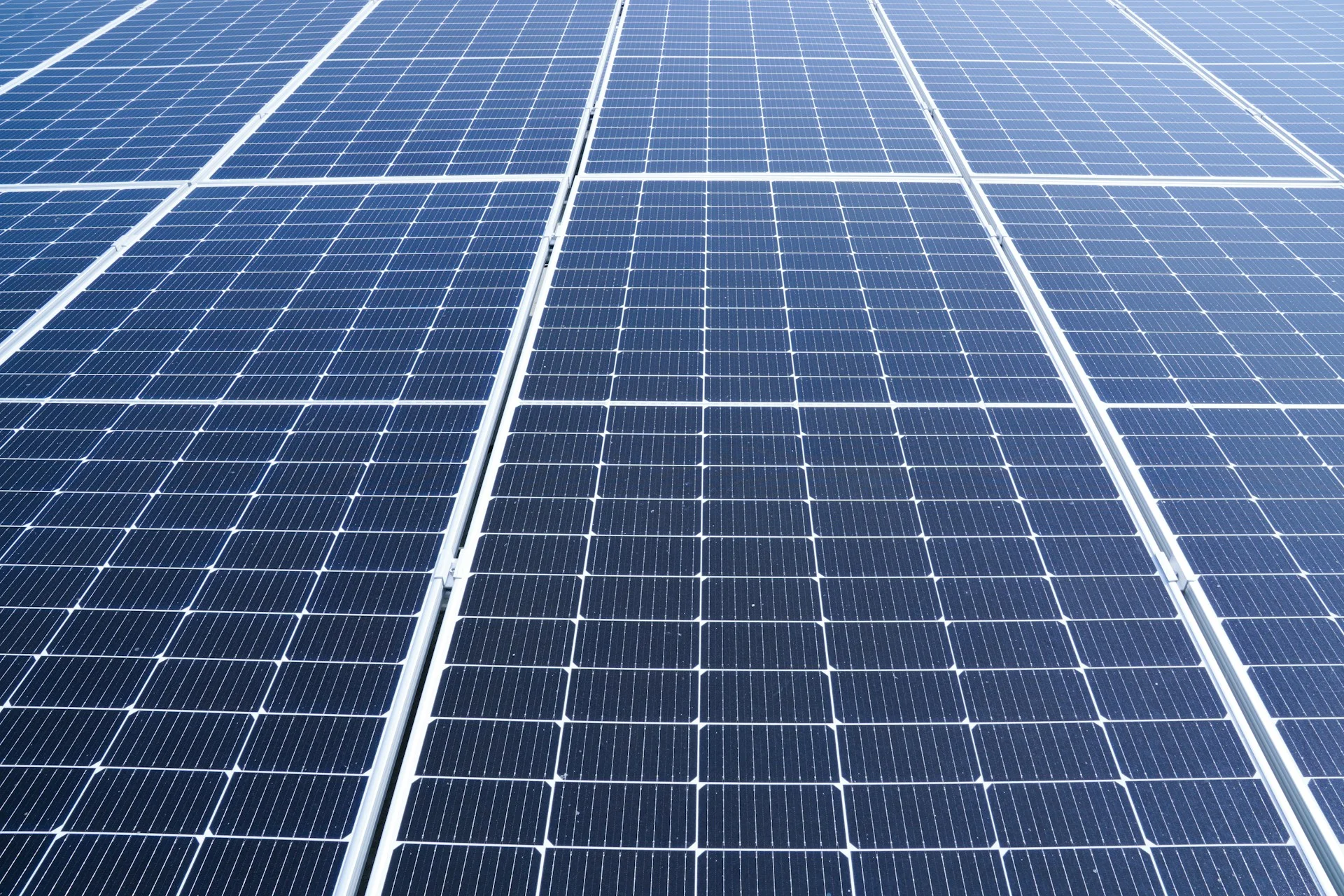
A solar system that isn’t producing enough energy will not offset utility costs as expected. Common issues include:
- Poor installation
- Shading problems
- Faulty equipment
- Incorrect system sizing
Ask for production reports from your installer or monitoring app. If the system isn’t generating what was promised, document it.
4. Watch for Escalating Payments
Many solar leases and PPAs include annual payment increases (often 2–3%). These escalators can cause bills to rise every year — something many homeowners weren’t clearly informed about.
If your payments keep increasing, your contract may be financially unsustainable long term.
5. Contact the Solar Company (But Be Cautious)
You can reach out to the installer or financing company to report the issue. However, many homeowners experience:
- Delayed responses
- Vague explanations
- Blame shifted to utilities or weather
Keep all communication in writing and save emails, statements, and billing records.
6. Know That You May Have Legal Options
If you were misled about savings, pressured into signing, or given inaccurate information, you may qualify for contract review or cancellation assistance.
Situations that often qualify include:
- False savings claims
- Incomplete disclosures
- System underperformance
- Unfair financing terms
Each case is different, but higher-than-promised bills are a common red flag.
7. Get a Professional Contract Review
Before continuing to pay into a bad agreement, it’s wise to have your contract reviewed by professionals who understand solar disputes.
A review can help you understand:
- If cancellation or renegotiation is possible
- Whether the contract terms were violated
- What steps you can take next
Most homeowners don’t realize they have options until they ask.